Is There Any Safe Way to Keep Exporting Hemp Flower to the US?
Short answer: There may be a path for some hemp businesses, but exporting flower to the United States is becoming a high-risk proposition—and no single lab report, label, or buyer assurance makes a shipment safe. The key questions are whether the product will meet the applicable federal and state rules when it arrives, how “total THC” is calculated, and whether the importer is prepared to accept the legal and commercial risk.
The December 11 US hemp rule deadline is an important planning marker for exporters. But a date on a calendar is not a compliance strategy. Businesses should confirm the controlling legal text, the date it applies to their products and shipments, and any state-level restrictions before loading cargo. In particular, the shift from delta-9 THC alone to total THC—including THCA—could change how flower is assessed. A shipment that appears compliant under a delta-9-only test may look very different when its THCA is included.
This article is general information, not legal advice. Exporters should have US counsel and the importer review the exact product, route, entry documents, and rules in force before shipment.
Why the rules are changing the risk calculation
For years, many hemp businesses have focused on whether delta-9 THC falls below the familiar 0.3% threshold. That figure is often treated as a simple pass-or-fail test. In practice, the applicable definition, sampling method, calculation, and enforcement context matter—and rules can change.
A move toward total THC changes the practical question. Rather than looking only at the delta-9 THC already present, regulators may also account for THCA, the acidic cannabinoid that can convert to delta-9 THC when heated. For flower, which commonly contains substantial THCA, that shift can put products at risk even if a certificate of analysis reports low delta-9 THC.
One-sentence legal takeaway: Do not assume that a flower product is lawful to import just because its delta-9 THC result is below 0.3%; check whether the applicable rule counts THCA or total THC and how it defines the relevant limit.
What the December 11 deadline means for exporters
The December 11 US hemp rule deadline should be treated as a trigger to verify obligations—not as a universal permission to ship until that day or a guarantee that all shipments afterward will be prohibited. Exporters should confirm what instrument establishes the deadline, whether it is an effective date, a transition date, or a compliance date, and which products and parties it covers.
This distinction matters because compliance can depend on more than https://en.mercopress.com/2026/10/14/new-us-hemp-rules-take-effect-december-11-shifting-demand-for-south-american-exporters the date a shipment leaves its origin country. The product may be assessed under rules in force when it is imported, distributed, or sold. A shipment that departs before a deadline may still encounter questions at the border or later in the supply chain.
USDA (US Department of Agriculture) administers important parts of the domestic hemp framework, including producer-program requirements. That does not mean a USDA license, registration, or program document is a blanket clearance for every finished product entering the United States. Importers and exporters should identify the relevant federal requirements and separately check the destination state’s rules.
The 0.4 mg total THC per container cap: why the unit matters
The 0.4 mg total THC per container cap is a particularly consequential limit when it applies to a product category. It is a limit expressed as an amount per container, not a percentage of the product’s weight. That makes it very different from a concentration threshold such as 0.3% by dry weight.
For flower, the difference is stark. A small amount of flower can contain far more than 0.4 mg of total THC, depending on its cannabinoid profile and the calculation used. So exporters must not assume that a product can meet a per-container cap simply because it meets a percentage threshold—or vice versa.
Before relying on this cap, confirm the exact legal text and its scope. Check how “container” and “total THC” are defined, whether the cap applies to the product being exported, and what test or calculation authorities accept. Do not rely on a distributor’s summary or a product label in place of the actual rule.
Why flower shipments face the highest risk
Among hemp product formats, flower shipments are especially exposed to flower total THC risk. The reasons are practical as well as legal:
- THCA can be substantial. A delta-9-only result may not reflect the total THC figure used under a rule that includes THCA.
- Small testing differences can matter. Sampling, measurement uncertainty, and variation between buds can affect the reported result.
- Products are easy to inspect and describe. Flower is visibly recognizable, making it harder to argue that a high-THCA product is merely an abstract ingredient or an intermediate material.
- State rules differ. A product acceptable under one framework may face restrictions or a different interpretation in its intended destination.
- Commercial consequences can arrive before a final legal decision. A hold, rejected delivery, or cancelled order can damage a transaction even if the exporter later disputes the decision.
These risks do not mean every flower shipment will be stopped. They do mean that flower deserves a more conservative review than an exporter might apply to a product with a different composition or use.

THCA testing: what a useful lab program should do
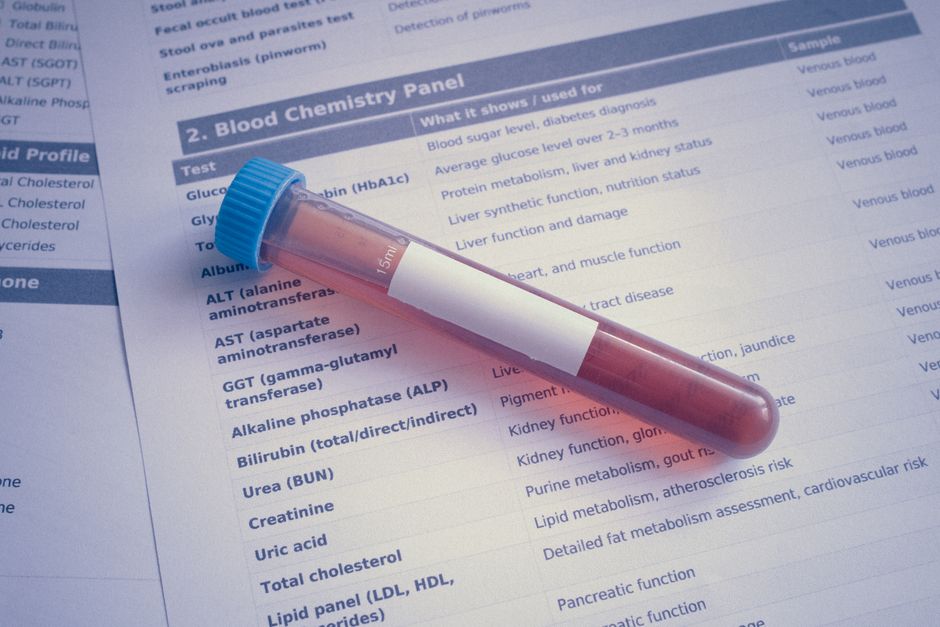
THCA testing is essential when the rule or buyer evaluates total THC. A report that tests only delta-9 THC does not answer the total-THC question. Ask the laboratory to report delta-9 THC and THCA separately, state the calculation used for total THC, and identify the method and measurement basis.
Use independent, qualified third-party lab testing—not only an in-house screen or a supplier’s old certificate. The sample should represent the actual batch being shipped, and the report should match the product’s lot or batch identifier. If a shipment is divided, repackaged, or mixed, confirm that the documentation still represents the material in each resulting unit.
Build a batch-level evidence file
For each shipment, prepare a coherent record set that can be reviewed by the importer, broker, and counsel. Depending on the product and route, that may include:
- Batch-specific certificates of analysis showing delta-9 THC, THCA, and the relevant total-THC calculation.
- Laboratory identity, accreditation or qualification information, test date, method, and sample identification.
- Product specifications, photographs, packaging details, and a clear description of the goods.
- Origin and production records, invoices, packing lists, and shipping documents.
- Written buyer confirmation of the product specification and the buyer’s intended use and destination.
- Records showing who reviewed the shipment against federal and state requirements, and when.
Consider having a qualified lab or compliance professional review the sampling plan as well as the finished report. A clean-looking certificate is not useful if it relates to a different lot, uses an unsuitable method, or cannot be tied to the cargo in the shipping documents.
Buyer acceptance is necessary—but it is not legal clearance
Strong buyer acceptance is a commercial safeguard, not a substitute for legal compliance. Before shipment, the importer should confirm in writing that it has reviewed the current rules, the certificate of analysis, the product description, and the intended destination. The contract should allocate responsibility for testing, document errors, delays, rejection, storage, return, and destruction where permitted.
Brands and trade groups can help companies understand the market, but they cannot guarantee that a specific shipment will clear. For example, Joy Organics and the US Hemp Roundtable may be useful reference points when tracking industry discussions and buyer expectations. Their statements or materials should not be treated as a regulator’s approval of a particular lot or as a replacement for advice tailored to the shipment.
Ask the buyer practical questions before committing cargo: Will it accept flower with the reported THCA level? Which total-THC calculation does it require? Will it accept the lab and sampling protocol? Who is importer of record? What happens if customs, a regulator, a warehouse, or a retailer rejects the product? If the buyer will not answer these questions in writing, the exporter should reconsider the transaction.
Can posting lab results online help?
Yes, batch lab results posted online can improve transparency and help buyers verify that a certificate corresponds to a particular lot. A QR code or product page can make documents easier to access, and consistent publication can discourage the use of generic or outdated reports.
But online disclosure is not a legal safe harbor. A posted report does not prove that the sample was representative, that the shipment matches the tested batch, or that the product meets a rule applied at import. It also does not cure a label that omits required information or a shipment that lacks the original supporting paperwork.
Use online results as one part of a controlled documentation system. Keep the signed original reports and supporting records; ensure the lot number on the package, invoice, and certificate matches; and update or remove a report if the batch has changed or the information is no longer current.
A practical pre-shipment checklist
- Confirm the deadline and governing text. Verify what the December 11 date means for this product and shipment, using current legal advice rather than a trade rumor.
- Check the destination. Review federal requirements and the rules of every state where the product will be imported, stored, or sold.
- Calculate total THC correctly. Include THCA where required, and confirm the accepted calculation and measurement basis.
- Test the actual batch. Commission third-party lab testing with a documented, representative sample and batch-specific report.
- Compare the product with any per-container cap. Do not confuse a milligram-per-container limit with a percentage-by-weight threshold.
- Get informed buyer acceptance. Obtain written approval of the product, testing, destination, and risk allocation before dispatch.
- Assemble the paperwork. Align certificates, labels, invoices, packing lists, and lot identifiers.
- Set a stop-shipment rule. If the test result, rule interpretation, or buyer’s position is unclear, hold the cargo until the issue is resolved.
So, is there any safe way to keep exporting?
There is no risk-free way to export hemp flower to the US under a changing regulatory framework. The most defensible approach is to treat flower as a high-risk product, test for both delta-9 THC and THCA, assess total THC under the rule that actually applies, and obtain informed buyer acceptance before shipment. Keep complete, batch-specific paperwork and do not treat a USDA-related document, an online certificate, or a buyer’s willingness to purchase as proof of legality.
If a flower lot cannot meet the relevant total-THC requirement—or the exporter cannot establish which requirement applies—the safest commercial decision may be not to ship it. A delayed or cancelled order is costly; a shipment dispatched on an unverified assumption can be costlier still.
Question What to verify What is the December 11 deadline? Whether it is an effective, transition, or compliance date and which products it covers. Does the test account for THCA? Separate THCA and delta-9 results, plus the applicable total-THC calculation. Does a 0.4 mg cap apply? Its product scope, container definition, and measurement method. Will the buyer accept the shipment? Written acceptance of the specific batch, documents, route, and destination.